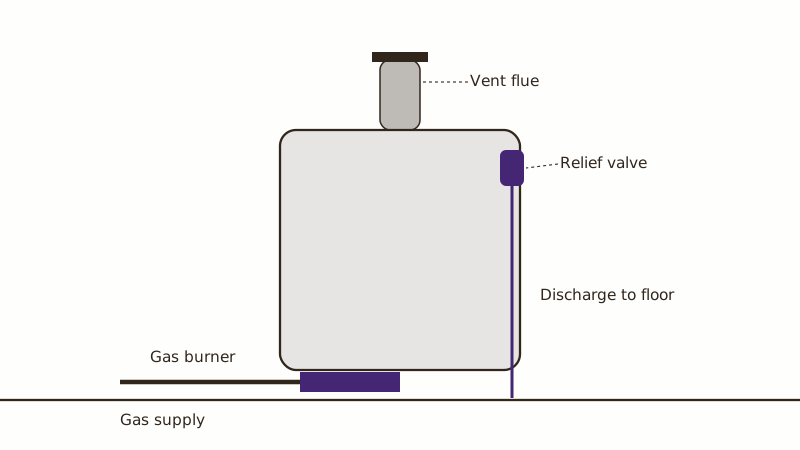
Once water seeps through the shell, the tank's career is over, whereas a dead element or thermostat can usually be mended. That fork in the road, and what follows it, is the subject here: a spoke of the water heater hub running from the decision, through the plumber's day, to the paperwork.
Repair or replace: how do I decide?
Buy new when the tank body weeps, when an old unit breaks down again and again, or when the repair estimate edges toward the cost of starting fresh. Repair if a single component failed and the tank is intact. Federal energy guidance credits storage tanks with a decade to fifteen years, so age is a fair clue, although local water bends it.
Mineral-rich supply eats elements and stacks sediment in the bottom, and Ontario's 2025 water quality report shows hardness averages from 91 up to 177 ppm depending on the source, so scale is a real factor. Rust-tinged hot water, rumbling, damp concrete beneath it, and lukewarm output are the usual signals. The age question is unpacked in water heater lifespan. Dripping from a fitting instead of the tank? Repairing a heater leak comes first. A cold tap with the heater on is covered in no water coming out of the hot faucet.
Walk me through the replacement visit.
Water and fuel or power go off first. Next the old tank is emptied, unhooked and wheeled away, and the replacement is positioned and connected to the water lines, the gas or electric supply, the vent and the pipe that carries relief valve discharge away. Trapped air is bled off, the burner or elements are fired up, and every joint is watched for drips. Most swaps are over in a few hours.
Extras often ride along in the same visit: fresh flexible connectors, new shutoffs where old ones are stiff, strapping, a drain pan where the heater sits above finished space, and, on a sealed water system, a small expansion tank. The parts get their own explanations: expansion tanks, relief valves and anode rods, which are what stretch a tank's life.
Does swapping a heater call for a permit?
California cities generally treat replacing a water heater as permitted work followed by a building department inspection. Ontario's Building office, (909) 395-2023, will tell you what covers your address. Normally the plumber handles filing and scheduling the inspection; look in the estimate for whether the fee is counted.
The permit pays off later. An unpermitted job may cause grief at resale or when an insurer asks questions. Permitted jobs in this state belong to contractors holding a license, a status you can look up with the state contractors board ahead of time. Gas models draw inspector attention to venting and the gas hookup. SoCalGas supplies Ontario; everything downstream of its meter is the homeowner's to maintain.
How must a water heater be strapped in California?
Residential heaters, whether new, replacement or long installed, need bracing, anchoring or strapping so that a quake cannot topple one or walk it across the floor. The floor of compliance is the California Plumbing Code, or a local change to it. When a house sells, the seller must also state to the buyer that the heater meets the rule.
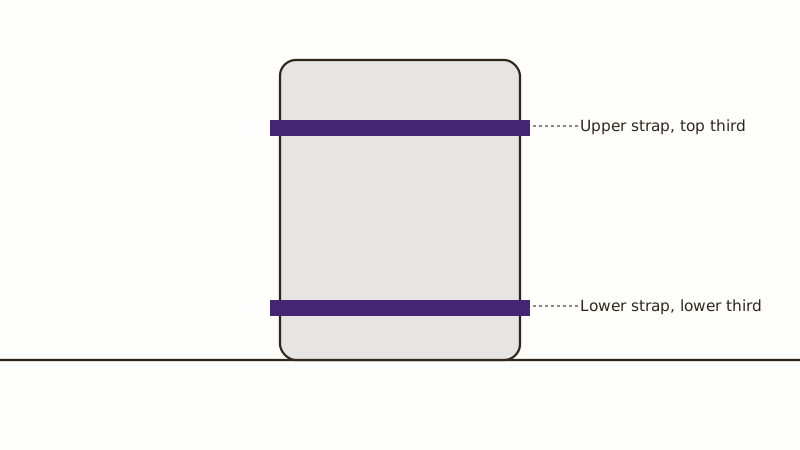
The governing statute is section 19211 in California's Health and Safety Code, which applies to ordinary heaters no bigger than 120 gallons for which a factory strap kit exists. A heater that topples can tear its gas and water connections apart at the same instant, which is why strapping is routine for plumbers. If yours went in years back without proper straps, have someone look. The matching gas protection is in earthquake gas shutoff valves.
Do I stay with the same fuel, or switch?
Gas and electric tanks slide into the footprint of their predecessors with the least disruption. A tankless model carries a higher purchase price and puts bigger demands on gas piping, venting and the electrical service, in exchange for endless hot water and a longer service life, according to the Energy Department. Electric tanks need an adequate circuit; heat pump versions need floor space and airflow.
The simplest route is like for like. Switching fuel or type adds labor, and an estimate should list that labor line by line. Compare tank and tankless options or read what pushes tankless installation cost up. In Ontario Ranch and The Preserve the old heater often lives in a tight garage closet, and clearance limits what fits.
How do I size the new heater and get the house ready?
Capacity follows the household: more people, extra bathrooms or a deep tub point toward a larger tank or a high-recovery model. Open a path to the heater, shift stored boxes, locate the main water shutoff, and report earlier trouble such as noise or weak flow. Excess pressure shortens a heater's life, too.
The plumbing code in California puts the static pressure ceiling at 80 psi, so have yours measured and ask whether a regulator makes sense; pressure regulators for the whole house explains why. A closed system often calls for an expansion tank; ask if you have one. When fittings and shutoffs look worn, have them replaced instead of reused.
What will the replacement set me back?
Type, size, fuel, location, venting, permit and whatever else must change around the old unit all feed the figure. A verified Ontario range is not available to us, so we print none; The cost page, water heater replacement price factors, takes the pieces one at a time.
Two bids for one job can differ purely on inclusions. Look for the permit, strapping, haul-away, new connectors and a drain pan. The figure that binds is the one a plumber commits to in writing after viewing the heater, the vent and the room around them.
Common questions
Should I wait for the heater to die?
If the tank itself is leaking, switch the heater off now. A unit that is merely old can run on, though some owners replace by their own calendar to dodge an emergency. A planned swap leaves room to choose a model and compare bids, whereas a failure in the small hours narrows options and may ruin a floor.
Could I put in the new heater on my own?
Gas and permitted work mark the boundary. In California a swap generally requires a permit, the gas hookup and vent must be exactly right, and slip-ups can release carbon monoxide or raw gas. Electric models add household-voltage wiring. For all of that, hire a contractor. Lesser upkeep, such as draining sediment, is a separate matter.
What becomes of the old heater?
The installer normally hauls it off, and scrap yards take steel tanks. Confirm haul-away is part of the estimate and that the plumber disconnects any gas or electrical feed safely. If the old tank leaked, expect some mess beneath it. Keep a photo of the old unit's label in case an insurer or a warranty claim ever asks.
When will showers be back?
A like-for-like swap consumes part of one day, and a freshly filled tank takes an hour or longer to heat, which puts showers in the evening. Tankless or fuel conversions run longer. No schedule is promised here; the plumber gives an estimate after seeing the space.