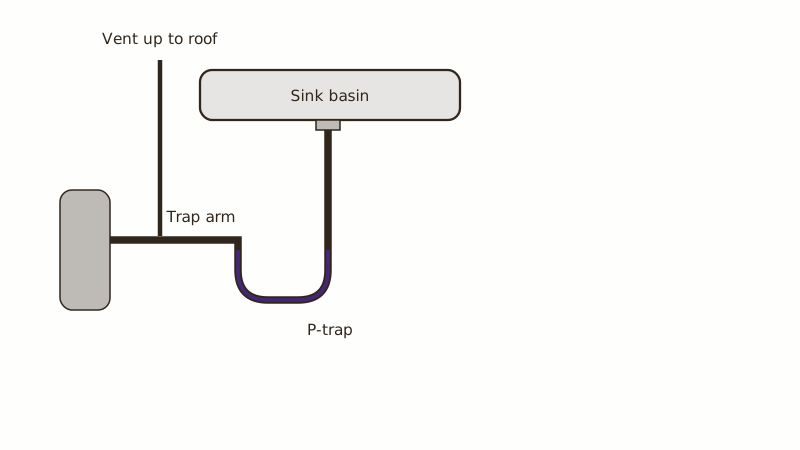
Check how many fixtures are slow before touching anything. A single sluggish sink normally has a half-closed trap or a short length of pipe beyond it, narrowed by hair, soap film or grease. Several slow fixtures, or a gurgle somewhere else when this one empties, suggest a clog downstream, in the drain the fixtures share. That one observation sorts almost every case, and it anchors this page in the drain cleaning and clogs cluster.
One sink or the whole house: which is slow?
If only one sink is slow, the cause is in that sink's own plumbing, close to the fixture. If the tub, the toilet and the other sinks also run poorly, or a toilet flush makes a sink gurgle, the obstruction is further along in a branch or main line. The second pattern is not a bottle-of-cleaner problem.
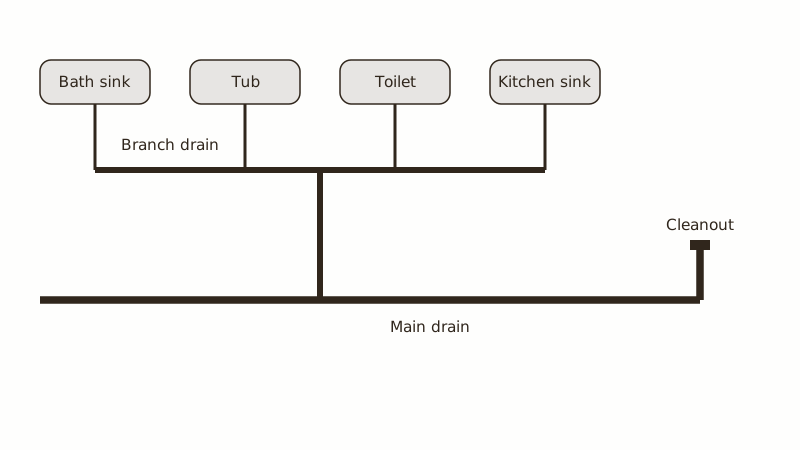
A quick test: run the bathroom sink, then flush the toilet next to it. Bubbles rising, or water showing up in the tub, tell you the shared line is struggling. Do the same in the kitchen with the dishwasher running. Write down what you saw, because it helps a plumber decide whether a hand tool at the fixture is enough or a longer cable is required. Houses on older clay or steel drains near downtown Ontario narrow with age, and those branch lines clog more readily than newer plastic ones in Ontario Ranch.
What clogs a bathroom sink slowly?
Hair and soap. Strands catch on the pop-up stopper and on the first bend below it, and soap, toothpaste and body oils cement them into a plug that thickens over weeks. Flow does not stop at once; it just takes longer to empty each time, which is the signature of a partial clog.
The usual place is the stopper assembly itself, which on most sinks lifts out or unscrews from beneath with a nut behind the tailpiece. Lift the stopper free, peel away what has wound around it with a straightened coat hanger or a notched plastic strip, and rinse the stopper off. Unclogging a bathroom sink pictures each move, including the pivot rod. A clean stopper with water still creeping means the culprit sits deeper, down in the trap.
What clogs a kitchen sink slowly?
Grease, food and soap scum. Cooking fat tipped into the drain sets on the pipe wall, snags coffee grounds, rice and fibers, and forms a lining that squeezes the opening. Double basins with a disposal add a longer route, so a slow double basin often has the blockage at the shared tee behind the sinks.
Clues point at the cause. Smelly water and a greasy film in the trap mean grease. A sink that drains well until the disposal runs suggests a problem at the disposal or its connection; how to clear a disposal drain covers that. Our pages on a kitchen sink that is draining very slowly and a clogged kitchen sink drain go deeper on the kitchen side.
Is a plunger any use on a sink that merely drains slowly?
Frequently, with the right technique. Pick the flat-bottomed cup type, not the toilet kind with the extra collar. Plug the overflow slot with a damp cloth, let a shallow pool collect, then set the cup squarely over the outlet and pump with force for roughly fifteen seconds. Double basin? Seal the other outlet too. Do not plunge standing cleaner.
A soft, recent clog responds best. Water that rises and falls without clearing signals a packed blockage, and the follow-up is a small hand-cranked snake, or dismantling the trap. Slide a bucket underneath first, since the trap holds water, and finger-tighten the slip nuts on reassembly before testing for drips. Do not combine plunging with chemical drain openers, which can splash back.
Do kitchen-cupboard fixes like baking soda or boiling water work?
Baking soda, then vinegar, then a rinse of hot tap water can freshen a drain with a light film, though a tight wad of hair will not dissolve. A kettle of boiling water can soften plastic pipe and crack porcelain, so stay with hot water from the faucet. Each remedy gets a fair comparison in our write-up of folk fixes for a clogged sink.
Shelf drain openers are caustic, harm skin and eyes, and can leave strong liquid standing in the pipe for whoever unscrews the trap next. Keep products apart. If you have already poured one in and nothing moved, tell the plumber on the phone so the work is handled with that in mind.
Could hard water be part of it?
It can make things worse over time, but it is rarely the only cause. Ontario's water quality report for 2025 gives hardness averages from 91 up to 177 ppm depending on which source supplies the water, and which blend reaches a house varies by address. Mineral scale roughens pipe walls and crusts aerators, giving hair and grease something to cling to.
Hard water alone does not usually cause a sudden blockage, but a sink aerator or stopper crusted with scale does slow the flow, and so does scale inside old galvanized lines. Soaking an aerator in vinegar is a gentle first step. For the long game, see keeping scale from building up. Check your own water bill for the supplier and its quality report before assuming anything.
At what point do I stop and phone a plumber?
Phone if a second fixture is slow too, if one sink's water surfaces in another, if a cleaned trap changed nothing, if the sluggishness returns inside a month, or if a sewer smell shows up. Any of these hints at the branch or the main, territory for a powered cable and a camera.
A plumber will usually start by finding where the slowdown starts, clear it with the right cable or jetting, and tell you if the pipe itself is damaged. Price follows the blockage's depth and the access to a cleanout; what unclogging a sink costs lists the drivers. No figures appear here, because the true number comes from a local plumber's written quote, after the pipe has been seen.
What stops sinks from slowing down again?
Habits matter more than products. Wipe greasy pans into the trash before washing, fit a mesh strainer on kitchen and bathroom drains, clean the pop-up stopper every month or two, and flush a drain with hot tap water after washing dishes. Keep coffee grounds out entirely. Where hair is the culprit, a small catcher over the shower drain outperforms any liquid.
A slow drain also points to hidden water use. If you notice your meter turning with every tap off, there may be a separate leak, and the EPA's meter test is a quick check. Otherwise, small routines keep a sink running freely for years.
Common questions
How fast should a basin empty?
A bathroom basin should clear within a minute or so, and a kitchen basin full of dishwater a little longer. The signal is a change: if your sink once emptied faster, something is building up. Measure by filling the basin and timing it, then compare after cleaning the stopper and trap.
Which tools do I need to clear a sink trap?
A bucket, a pair of rubber gloves, a flashlight, an old toothbrush, and possibly channel-lock pliers for stubborn nuts are enough. Turn the slip nuts by finger if they budge, empty the trap into the bucket, scrub it and refit it. After that, open the faucet and check each joint for weeping. A corroded nut or thin pipe is a reason to stop, not to force.
Can I leave a slow drain for a while?
For a few days, with gentle care, usually yes. Over weeks it tends to worsen, and a partial blockage can turn complete at an inconvenient moment. Avoid sending more grease or hair down it, and clean what you can reach. If the sink smells or backs up into another fixture, do not wait.
Must I be there when the sink is cleared?
An adult should answer the door, name the slow fixture and clear the cabinet below it. For a quick job at one basin that is nearly all. If a powered cable goes into the line, someone should agree the scope and stay reachable in case the findings change it.